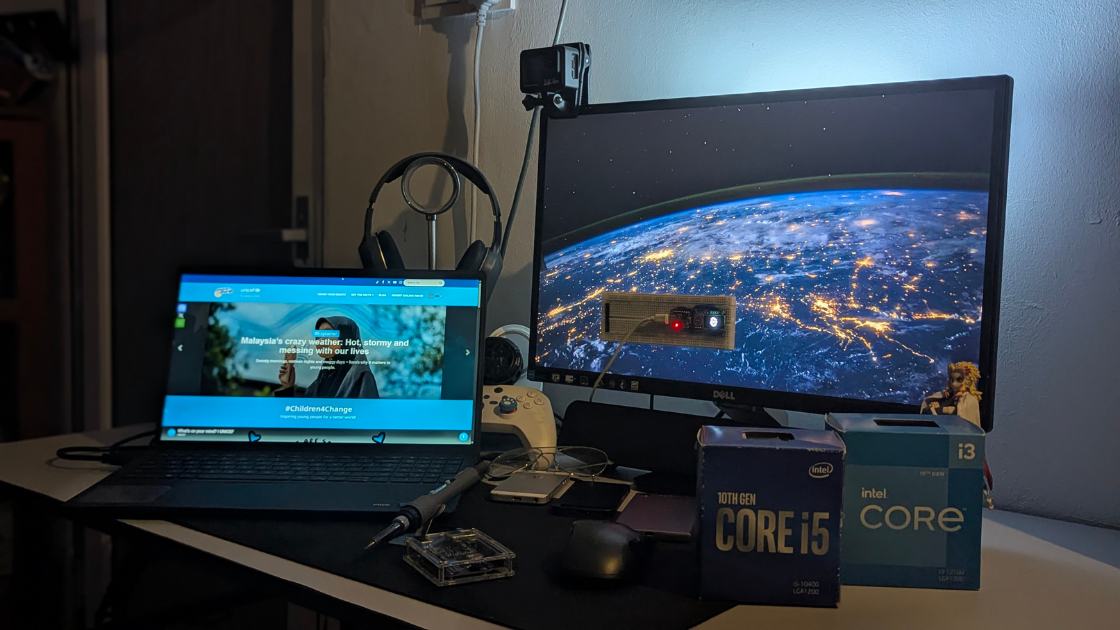
Many people think hobbies are just for fun, a way to pass time. But hobbies can do more than entertain – they can also put extra money in our pocket.
Turning hobbies into income is easier than most people realize, especially when you already have the skills and enjoy using them. Whether it’s tinkering with gadgets, crafting custom electronics projects or making handcraft items, your personal interests can become a real side hustle.
Gadget repairs: small skills, big impact
One of the simplest ways to start earning is through gadget repairs.
If you enjoy figuring out how devices work, you can offer simple plug-and-play fixes for phones, laptops or other electronics.
I started by helping friends and family, and it quickly grew into paid jobs. Not only did I earn extra income, but I also saved money on my own repairs.
Over time, you’ll realize that turning hobbies into income is not just about money. It also builds confidence and strengthens your problem-solving skills.
Custom electronics: creativity creates opportunity
If you enjoy building things from scratch, creating custom electronics can be a great option.
From LED “breathing” light effects to mini robots like Dasai Mochi, creating something unique for a client is both satisfying and profitable.
Many people are willing to pay for something personalized that matches their taste or needs. To grow, you can showcase your creations on social media. This will help people discover your work. You can also use online marketplaces to reach more customers with your services or products.
This is a clear example of how turning hobbies into income lets you combine creativity with practical skills, creating value that others appreciate.
If you’re just getting started in this hobby, there are a few essential tools you should invest in.
First, get a high-quality soldering iron with adjustable temperature control. Trust me, a good soldering iron makes a huge difference in both ease of use and results. You’ll also need basic supplies like solder wire and flux to ensure clean, reliable joints.
Once you have your tools ready, choose an open-source project online – GitHub is a great place to start. Then gather the required electronic components for your chosen project to make the building process smooth and efficient.
Skills + visibility = better opportunities
Another benefit of DIY electronics is the skills you develop along the way.
You get the freedom to experiment and learn without pressure, At the same time, you gain real-world experience. You’ll learn patience, attention to detail and even communication skills when working with clients.
Over time, your side hustle not only generates money but also helps build a stronger profile, something that can help you in future job opportunities or bigger projects.
Your hobby, your hustle
The key takeaway is simple: almost any hobby can become a source of income with the right approach.
Start by finding practical ways to apply your skills. Whether it’s electronics, gadget repair, or something else you enjoy, earning money while doing something you genuinely enjoy is possible.
Turning hobbies into income is about more than just making money. It’s about developing valuable skills, building confidence and creating opportunities for the future.
As you progress on your journey, things will not always go as planned. Your solder joints may turn messy. You might accidentally damage a component or even burn yourself by touching a hot soldering iron. These challenges are part of the learning process.
Don’t let mistakes discourage you from pursuing what you enjoy. Instead, treat them as opportunities to learn, improve and grow. Every experienced hobbyist started as a beginner. And every mistake brings you one step closer to mastering your craft.
READ >> Save money growing up: Real tips I actually used!





Some people collect hobbies. Daiko accidentally collected customers. Funny how the things we do for fun can end up teaching us the most.