Sometimes, it was a look.
Or a joke about marrying me.
Other times, their hand on my shoulder, too close for comfort.
That’s how it started. Quiet, small – almost invisible. I had no clue. And ignorance wasn’t’ bliss. It was fear. That’s why I believe young people must learn about sexual harassment.
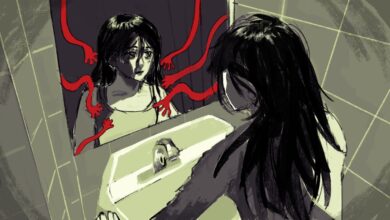
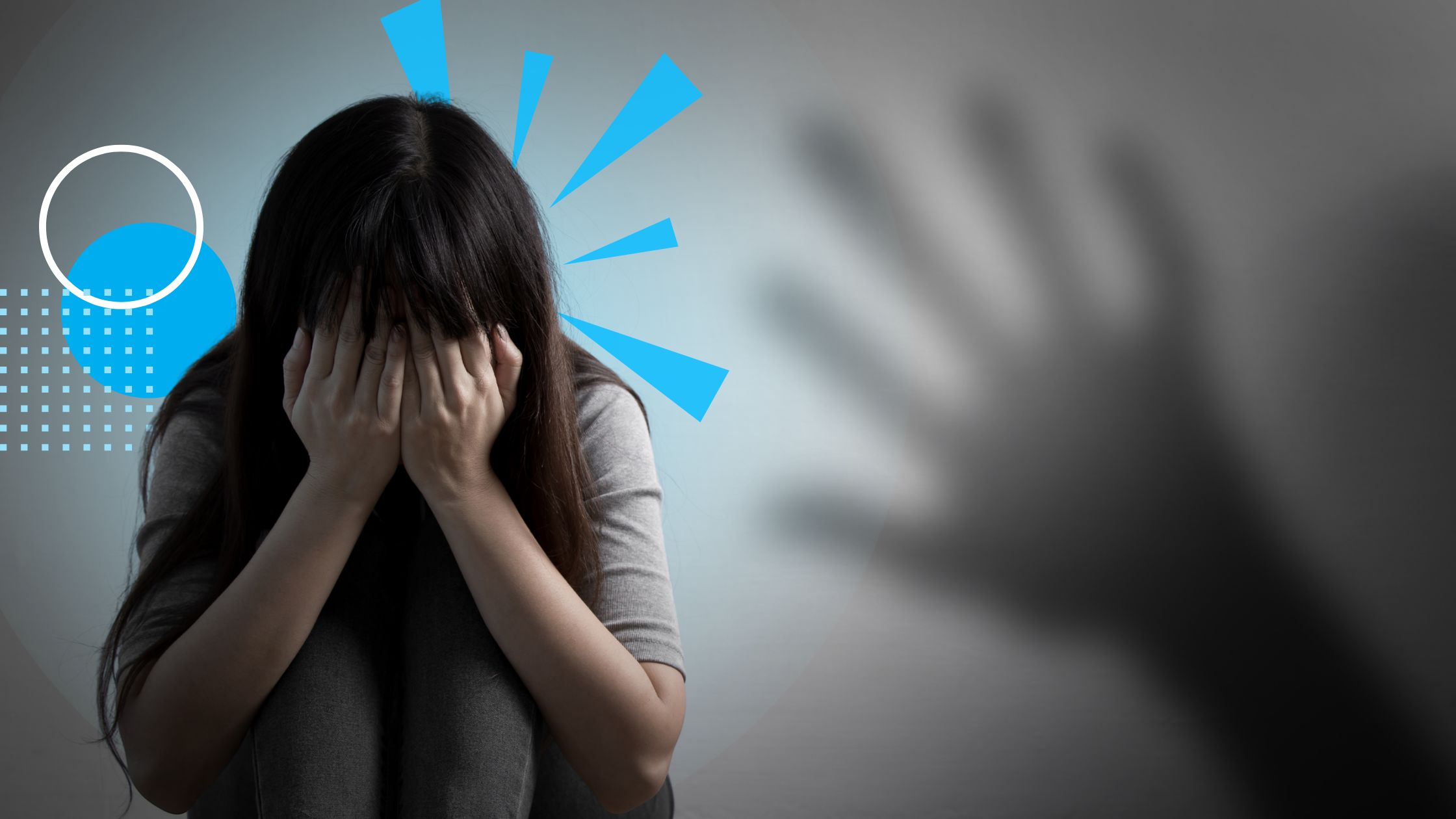
At that time, I didn’t even know I was being harassed. All I knew was it left me feeling dirty. Ashamed. Like I was the reason. So eventually, I started changing myself to survive the filthiness.
I stopped wearing dresses. Tried not to act too feminine. I thought if I became less visible, maybe they’d stop looking. And they did. … But even then, the fear stayed.
When no one teaches you, you’d think it’s normal
No one had ever explained sexual harassment to me – not at home, not in school.
So, I told myself it was normal.
Until I finally learned the truth.
That’s why we need to learn about sexual harassment – not to scare anyone, but to help us protect ourselves.
I once read that 3 in 4 women in Asia Pacific have experienced some form of sexual harassment. As for boys? It happens to them too. But not many talk about it. Maybe that’s because they’re taught to act tough.
At times, I wondered if it was my fault for staying quiet. They were my parents’ friends, after all. How could I tell them those people made me feel unsafe? I didn’t want them to feel like they failed me. Still, deep down, I know my parents would’ve understood. It was the shame that silenced me.
It doesn’t always scream. Sometimes it whispers.
When people hear “harassment”, they usually think of extreme cases. But in reality, most of the time, it’s silent. It hides behind harmless comments, stares that linger too long, hands that brush against your skin like accidents.
And everyone around says,
“You’re dressed like that, of course they’d look”
“It’s just a joke”
“You’re too sensitive, lol”
These words can silence people.
If I’d known then what I know today, maybe I would’ve had a happier, safer childhood instead of a fearful one. That’s why empowering ourselves with knowledge matters. So we can recognize it, call it out, and protect each other.
Stop calling harassment “normal”
Sexual harassment isn’t just physical. It can be verbal or visual too. And we hear it everywhere – at school, online, in public. The more we brush it off, the more normal it becomes.
A whistle on the street? Take it as a compliment.
A hand brushing too close? Probably an accident.
A dirty joke? You’re so sensitive.
When something becomes “normal”, it turns invisible. Which is why we need to learn about sexual harassment – because once we truly understand it, there’ll be less victim-blaming. Less silence. And fewer young people growing up the way I did – afraid and ashamed.
Let’s learn about sexual harassment
We don’t have to wait for others. We can take the first step:
- Learn the signs. Know what sexual harassment is. And how to respond to it.
- Believe your friends. If someone opens up to you – just listen, don’t question.
- Set boundaries. “No” means no.
- Call it out. Even if it’s just a joke.
- Report it. Malaysia has anti-sexual harassment laws.
No, we don’t have to carry this alone.
This is #RealTalk
I didn’t share my story for pity. I’m sharing it because I want change.
To learn about sexual harassment isn’t just about knowing what it means. It’s about having the power to fight back. And the courage to stop blaming ourselves for someone else’s actions.
We can choose to speak up and we can choose to support.
We can choose to build a world where no young person grows up thinking harassment is their fault.
Because respect should be the norm – not the exception.
Editor’s Note: Who you can talk to in Malaysia
If this story brings up difficult feelings, please know you’re not alone – consider reaching out to someone you trust or a support service for help:
- Talian Kasih 15999 – a 24/7 helpline for children and families.
- Befrienders KL (03-7956 8145) – for emotional support if you feel alone.
- WAO SMS/WhatsApp TINA KL (+6018 988 8058 (24 hours) – for advice
- WCC Penang (011-3108 4001 (Mon-Fri 9am-5pm) – for counselling